


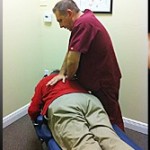


Non surgical spinal decompression is an approach that uses controlled mechanical forces to reduce stress on certain areas of the spine and support improved mobility. Some patients explore spinal decompression therapy when they are looking for non-invasive options for persistent spine-related concerns.
Spine-related symptoms can affect daily activities, movement, and overall comfort. When discomfort continues or limits normal routines, individuals often want to understand available options and how different approaches work.
Understanding decompression therapy, what it involves, and why it may be considered can help people have more informed conversations about their care.
Why Do Some Spine Concerns Continue Over Time?
Spine-related concerns can develop from many different factors, including daily movement patterns, physical demands, injuries, and changes that occur over time.
The spine supports nearly every type of movement, from sitting and standing to bending and walking. When certain areas experience increased stress, some individuals may notice stiffness, reduced mobility, or discomfort during everyday activities.
Persistent symptoms may encourage individuals to seek additional information about approaches that focus on supporting spinal function. A thorough evaluation can help identify possible contributing factors and determine appropriate next steps.
What Is Non Surgical Spinal Decompression?
Non surgical spinal decompression is a treatment approach designed to create controlled periods of spinal unloading. During the process, specialized equipment applies gentle, targeted forces intended to reduce certain types of mechanical stress affecting the spine.
Unlike general stretching, decompression therapy uses a structured method that can be adjusted based on an individual’s needs and comfort level.
Patients interested in learning how this approach works can explore more information about non surgical spinal decompression and how it may fit into a broader care plan.
How Does Spinal Decompression Therapy Differ From Other Approaches?
Spinal decompression therapy focuses specifically on controlled traction forces applied to the spine. Other approaches may focus on improving mobility, strengthening supporting muscles, or addressing movement habits.
The difference is primarily in the method used and the specific goals of care. Decompression therapy is designed around changing mechanical loading patterns within targeted areas of the spine.
Because every person’s symptoms and health history are different, treatment decisions should be based on an individual evaluation rather than a general approach.
What Types of Concerns May Lead Someone to Consider Decompression Therapy?
Individuals may explore decompression therapy when dealing with ongoing spine-related concerns that affect movement and daily activities.
Some reasons people seek information about this approach include:
- Recurring lower back discomfort
- Limited mobility affecting daily routines
- Symptoms that may extend into other areas of the body
- Difficulty participating in normal activities
These concerns can have different causes, which is why understanding the source of symptoms is an important part of choosing appropriate care options.
How Does a Healthcare Provider Evaluate Whether Decompression Therapy Is Appropriate?
Before considering any treatment approach, a healthcare provider typically reviews a person’s symptoms, health history, and movement patterns.
An evaluation may involve discussing:
- When symptoms began
- Activities that affect discomfort
- Areas where movement feels limited
- Changes in daily function
This information helps determine whether decompression therapy may be an appropriate consideration or whether another approach may better match the individual’s situation.
Can Non Surgical Spinal Decompression Be Part of a Broader Mobility Plan?
Spinal health is influenced by many factors beyond a single treatment approach. Daily habits, activity levels, body mechanics, and movement patterns can all contribute to how a person feels and functions.
For some individuals, non surgical spinal decompression may be included as part of a broader plan focused on improving mobility and supporting overall spinal function.
Education is an important part of this process. Understanding how the spine works and how different approaches are used allows individuals to make informed decisions about their health.
What Should Patients Understand Before Exploring Decompression Therapy?
While decompression therapy may be discussed as an option for certain individuals, expectations should always be realistic. Results and experiences can vary depending on the person, the nature of their concerns, and other health factors.
Patients should consider discussing their symptoms, goals, and questions with a qualified healthcare provider before beginning care.
Having a clear understanding of the process can help individuals feel more prepared and informed when exploring available options.
When Should Someone Learn More About Spinal Decompression Options?
Individuals experiencing ongoing spine-related concerns, changes in mobility, or discomfort affecting their daily routine may benefit from learning more about available approaches.
Understanding non surgical spinal decompression, spinal decompression therapy, and other care options can help people better understand what may support their personal goals.
For those in Gresham, OR looking into decompression therapy, gathering accurate information and discussing concerns with a healthcare provider can be a helpful step toward making informed decisions about spinal health.