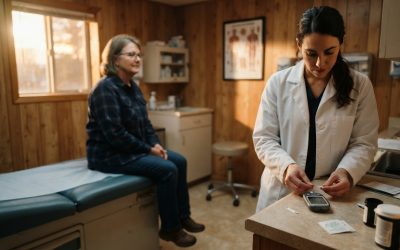




An in-home nurse in Miami, FL provides licensed clinical care such as wound management, medication monitoring, and chronic disease support directly in a patient’s residence, allowing recovery to happen in familiar surroundings instead of a hospital bed. This approach has become a practical answer for families managing post-surgical healing, chronic illness, or aging-related health needs without an extended hospital stay.
Searching for an in home nurse Miami FL typically reflects an urgent, specific need: a recent hospital discharge, a new diagnosis requiring ongoing monitoring, or a family trying to avoid repeated hospital visits for an aging parent. Home nursing fills the gap between hospital-level care and standard caregiving by bringing licensed clinical skills into the home setting, where recovery often proceeds more comfortably and with fewer disruptions to daily life.
What In-Home Nursing Actually Covers
Skilled home nursing is distinct from companionship or non-medical support because it involves licensed clinical tasks performed under a physician-directed plan. Based on verified service listings, this type of care commonly includes:
- Wound care and post-surgical dressing changes
- Medication administration and monitoring
- Chronic disease management, including cardiac and respiratory conditions
- IV therapy and intravenous assistance
- Coordination with physicians and other healthcare providers to adjust care plans as needed
These services are designed to reduce complications during recovery and catch warning signs early, rather than waiting for a scheduled follow-up appointment.
Why Hospital-to-Home Transitions Need Clinical Oversight
The period right after a hospital stay is one of the riskier windows in a patient’s recovery. Research on transitional care management found that stronger post-discharge coordination is associated with more healthy days at home and lower spending after hospital discharge. Older studies on care transitions have also shown that gaps in coordination during this window contribute to avoidable complications, which is part of why structured discharge planning remains a focus of federal health policy, as outlined in AHRQ’s transitions of care research.
A licensed in-home nurse addresses this gap by:
1. Reviewing discharge instructions and medication lists for accuracy
2. Monitoring vital signs and wound healing on a consistent schedule
3. Flagging early signs of infection, dehydration, or medication reactions
4. Communicating directly with the patient’s physician when changes occur
This structured follow-through is what separates skilled nursing from general caregiving support.
Comparing Home Care Options in Miami-Dade
Families often weigh several types of in-home support before choosing a service level. The table below outlines how skilled nursing compares with other common home care options based on publicly listed service descriptions.
|
Care Type |
Primary Focus |
Typical Provider |
|
Skilled Nursing |
Medical tasks: wound care, medication management, IV therapy |
Registered or licensed nurse |
|
Private Home Care |
Coordinated personal and medical support tailored to the individual |
Mixed clinical and aide team |
|
Companion Care |
Non-medical support, light housekeeping, medication reminders |
Caregiver or companion aide |
Choosing between these options usually depends on whether the primary need is clinical monitoring after a medical event or ongoing daily assistance without active medical treatment.
How Care Plans Are Built Around the Patient
Effective home nursing starts with a plan shaped by the patient’s physician rather than a generic service package. To create the best possible outcome, care teams work closely with the patient’s physician and other health care providers, designing a plan tailored to their specific needs and seeing it through to the end. This typically involves:
- An initial assessment of medical needs and home environment
- Ongoing communication between the nurse, physician, and family
- Adjustments to the care plan as recovery progresses
Bilingual staffing is also a practical consideration in South Florida, where many patients and family caregivers communicate primarily in Spanish or Creole. A team of bilingual, registered, and licensed professionals strives to deliver the highest standards of care while easing the stress families may face as caregivers.
Frequently Asked Questions
What does an in-home nurse do that a home health aide does not? A nurse performs licensed clinical tasks such as wound care, medication administration, and IV therapy, while a home health aide typically assists with personal care and daily living activities under supervision.
Is in-home nursing only for seniors? No. Home health nursing in Miami commonly serves both adults recovering from surgery or illness and children with ongoing medical needs, depending on the provider’s licensing and specialty programs.
How does a care plan get created? A care plan is typically developed after an initial assessment and in coordination with the patient’s physician, then adjusted as the patient’s condition changes during recovery.
Does home nursing replace hospital care entirely? Home nursing is intended to support recovery and reduce avoidable hospital visits, but it works alongside a patient’s physician rather than replacing emergency or acute hospital treatment when it is needed.
Recovering at home after surgery, illness, or a new diagnosis works best when clinical oversight is built into the plan from day one. America-Loving Care Home Health is a Miami-Dade and Monroe County based home health agency offering skilled nursing, companion care, and private home care coordinated with each patient’s physician. Families weighing their options can use the comparisons above as a starting point for deciding what level of in-home support fits their situation.