



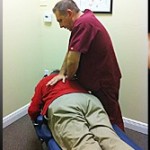
Shockwave therapy is a non-surgical treatment approach that uses acoustic waves to target affected tissues and support the body’s natural recovery processes. For individuals with chronic tendon pain, shockwave treatment may be considered when symptoms continue despite rest, activity changes, or other conservative approaches.
Why Do Some Tendon Injuries Continue to Hurt?
Tendons connect muscles to bones and help transfer force during movement. They experience repeated stress during activities such as sports, exercise, physical work, and daily tasks. While tendons are designed to handle regular use, repetitive strain without enough recovery time may contribute to ongoing discomfort.
Some tendon-related concerns improve with rest and gradual activity adjustments, but others may continue because the tissue has not fully recovered. Chronic tendon pain can develop when the normal repair process becomes disrupted over time.
Factors that may contribute to persistent tendon discomfort include:
- Repetitive movements
- Increased training intensity
- Previous injuries
- Limited recovery time
- Changes in movement patterns
Understanding why symptoms continue is an important step when considering possible treatment options.
Why Does Rest Alone Not Always Resolve Tendon Pain?
Rest can be an important part of managing an injury, especially during the early stages. Reducing activities that aggravate symptoms may help decrease irritation and allow the body time to recover.
However, chronic tendon concerns may involve changes within the tissue that do not always improve through rest alone. When symptoms continue for weeks or months, additional approaches may be considered to support recovery.
A gradual return to movement, proper evaluation, and targeted care can help individuals understand what factors may be affecting their progress.
How Does Shockwave Therapy Support Tendon Recovery?
Shockwave therapy uses controlled acoustic waves directed toward specific areas of concern. These waves may stimulate biological responses within treated tissues, including changes related to circulation, cellular activity, and tissue remodeling.
Research has examined shockwave therapy for several tendon-related conditions, particularly those involving chronic symptoms. The goal of treatment is not simply to mask discomfort but to support processes involved in tissue recovery.
Individuals can learn more about how shockwave therapy may be used as part of a broader approach for certain musculoskeletal concerns.
What Types of Tendon Problems May Be Considered for Shockwave Treatment?
Shockwave treatment is commonly discussed for certain chronic tendon conditions where symptoms continue over time. It may be considered when traditional approaches have not provided the desired improvement.
Examples of tendon-related concerns that may be evaluated include:
- Persistent tendon discomfort
- Repetitive strain injuries
- Activity-related pain
- Certain overuse conditions
The suitability of shockwave therapy treatment depends on several factors, including the location of symptoms, duration of discomfort, and overall health history.
How Can a Chiropractor for Shockwave Therapy Near Me Help?
A chiropractor for shockwave therapy near me may evaluate movement patterns, physical stress, and possible factors contributing to ongoing discomfort. Because tendon pain can be influenced by how the body moves and functions, looking at the larger picture may provide useful information.
They assess each person individually and consider factors such as activity level, symptoms, and previous injuries before discussing possible care options.
For individuals in Placentia, CA, an evaluation can help determine whether shockwave treatment may be appropriate based on their specific situation.
What Makes Chronic Tendon Pain Different From a Recent Injury?
A recent injury often occurs after a specific event, such as a sudden movement or accident. Chronic tendon pain, however, typically develops gradually and may continue even after the original irritation has passed.
Long-term tendon concerns may affect daily activities, exercise routines, and work responsibilities. Some individuals adjust their movements to avoid discomfort, which may create additional stress on other areas of the body.
Addressing the underlying contributors may be an important part of improving comfort and restoring normal movement.
How Common Are Tendon and Soft Tissue Injuries?
Tendon and soft tissue concerns are common among people who participate in sports, exercise, and physically demanding activities. According to the Centers for Disease Control and Prevention (CDC), millions of adults participate in physical activity each year, and injury prevention includes gradual progression, proper preparation, and attention to symptoms.
In active communities such as Placentia, CA, people may experience repetitive stress from recreational activities, fitness routines, and daily responsibilities.
Is Shockwave Therapy Appropriate for Everyone With Tendon Pain?
Shockwave therapy is not suitable for every individual or every condition. A proper evaluation is important because factors such as medical history, current symptoms, and the type of tissue involved may influence whether this approach is recommended.
At Momentum Health & Wellness, they consider each patient’s situation before discussing available treatment options. This helps ensure that recommendations are based on individual needs rather than a general approach.
Understanding Options for Chronic Tendon Pain
Chronic tendon pain can be frustrating, especially when symptoms continue despite rest and activity adjustments. Learning how different treatment approaches work can help individuals better understand their options.
Shockwave therapy may be one approach considered for certain tendon-related concerns. For those searching for shockwave therapy for chronic pain near me, understanding the causes of persistent symptoms and the role of targeted treatments can help guide conversations with healthcare providers.
They provide information about shockwave therapy and other care options designed to help individuals better understand their choices when dealing with ongoing musculoskeletal concerns.