




Short answer:
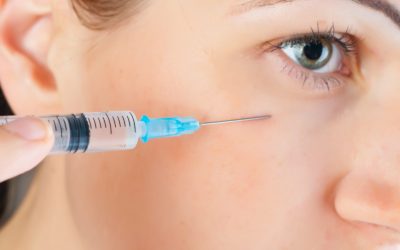
• Facial fat grafting uses a patient’s own liposuctioned fat, purified and reinjected into the face, to restore volume lost to aging.
• The process involves three stages: fat extraction, processing, and reinjection into targeted facial areas.
• Recovery typically includes swelling and bruising for one to two weeks, with final results developing over several months.
Facial volume loss is one of the most visible signs of facial aging, and many patients look for a solution that does not rely on synthetic fillers or repeated maintenance visits. facial fat grafting in Beverly Hills, CA addresses this by using the patient’s own fat instead of an injectable product, which appeals to people who want a more permanent, natural-feeling result.
At Privé Beverly Hills, the practice describes the procedure as one performed by Dr. Catherine Chang, MD, FACS, a Beverly Hills facial plastic surgeon known for natural-looking facial rejuvenation results achieved through facial fat grafting. The process involves three steps: extraction of fat from a donor area with liposuction, followed by decanting, centrifugation, and processing of the fat, and reinjection of the purified fat into the facial areas needing improvement.
How the Procedure Works
Fat grafting is a multi-step surgical process, not a single injection appointment. Understanding each stage helps set realistic expectations before scheduling a consultation.
• Anesthesia and harvesting. The procedure is typically performed under general anesthesia, beginning with a small incision at the treatment area where a thin, hollow cannula is inserted.
• Fat loosening. The cannula is used to manually loosen the excess fat using a controlled motion with a tumescent saline solution.
• Purification and reinjection. The fat is then purified and reinjected into the areas of the face that need volume restoration.
This layered approach is why facial fat grafting is often described as more involved than filler injections, but also longer-lasting for many patients.
Benefits Compared to Other Volume Restoration Options
Patients weighing their options often compare fat grafting against dermal fillers or surgical lifting techniques. Each approach addresses facial aging differently, and the right choice depends on individual goals, downtime tolerance, and desired longevity.
|
Option |
Material Used |
Typical Longevity |
Downtime |
|
Facial fat grafting |
Patient’s own fat |
Long-lasting, may need occasional touch-up |
1-2 weeks for visible swelling to subside |
|
Dermal fillers |
Synthetic hyaluronic acid |
Months, requires repeat treatments |
Minimal, often same-day |
|
Surgical facelift |
No added volume; tightens skin/muscle |
Long-lasting |
Several weeks |
Because the graft material comes from the patient’s own body, there is a lower risk of allergic reaction compared with synthetic alternatives. According to the American Society of Plastic Surgeons guidance summarized in recovery literature, swelling after facial fat grafting typically resolves within about two weeks, though individual healing time varies.
What Recovery Actually Looks Like
Recovery unfolds in overlapping phases rather than a single fixed timeline, since the donor site and the face heal on different schedules.
1. First few days. Most patients notice swelling begins to subside within the first 4 to 7 days, allowing early signs of results to show.
2. First two weeks. Swelling after facial fat grafting can last about 2 weeks, though each patient’s recovery timeline may vary.
3. One month mark. By the four-week mark, the majority of swelling has resolved, though subtle changes in contour may still occur.
4. Three months and beyond. Around the three-month point, only minor residual swelling remains, revealing the refined and lasting results of the procedure.
Patients should also expect some bruising, which tends to fade faster than swelling. Following post-procedure instructions closely, including avoiding pressure on grafted areas and limiting strenuous activity, supports better graft survival and a smoother recovery.
Who Is a Good Candidate
Facial fat grafting tends to suit patients who have noticeable volume loss rather than only fine lines or skin laxity. Good candidates generally:
• Have hollowing in the cheeks, temples, or under-eye areas
• Prefer a natural-tissue option over synthetic filler
• Are in good general health and have realistic expectations about gradual results
• Have adequate donor fat available for harvesting
A consultation with a qualified facial plastic surgeon remains the most reliable way to determine candidacy, since facial anatomy and aging patterns vary widely between patients.
Frequently Asked Questions
How long do facial fat grafting results last? Results are generally considered long-lasting once the transferred fat integrates with surrounding tissue, though the body continues to age naturally afterward and some patients pursue touch-ups over time.
Is facial fat grafting painful? Most patients report manageable discomfort at both the donor site and the face, typically controlled with prescribed medication during the first several days.
How soon can I return to normal activities? Many patients resume light activities within a week, while strenuous exercise is usually postponed for several weeks to protect the graft.
Does facial fat grafting replace a facelift? No. Fat grafting restores volume, while a facelift primarily addresses loose or sagging skin and tissue, so some patients choose to combine both approaches.
Facial fat grafting offers a way to restore lost facial volume using the body’s own tissue, with a recovery process that unfolds gradually over weeks and months rather than overnight. Patients researching this option in Beverly Hills can find detailed procedure information directly from Privé Beverly Hills, whose Google Business Profile lists the practice’s facial plastic surgery services, to help determine whether this approach fits their goals before scheduling a consultation.